







Bringing a dog into your home feels exciting at first—until you realize how many everyday things can put them at risk. From loose wires to common kitchen foods, small details can quickly turn into safety hazards if you’re not paying attention. That’s why learning practical dog safety tips for owners early on makes a real difference.
Most people focus on feeding, walking, and basic training, but safety often gets overlooked. Dogs are naturally curious. They chew, sniff, and explore everything, especially in a new environment. Without proper precautions, even a well-behaved pet can end up injured or sick. Simple steps like securing household items or setting clear boundaries can prevent a lot of stress later.
This guide is built for everyday dog owners—whether you’ve just adopted a puppy or you’ve had dogs for years and want to tighten up your pet safety routine. You’ll find straightforward advice you can actually use, not complicated rules that are hard to follow. From indoor safety tips for dogs to handling outdoor risks and emergency situations, everything here is meant to help you create a safer space.
You’ll also learn how to spot common household dangers for dogs, avoid toxic foods, and prepare for unexpected situations. Dog safety isn’t about being overly strict—it’s about being aware and making small changes that protect your pet without making life difficult.
A safe home means a happier, healthier dog. And once you get these basics right, caring for your pet becomes a lot easier and more enjoyable.
Dog safety starts with simple habits. Keep harmful items out of reach, secure your home, and watch your dog’s behavior closely. Focus on basic dog safety tips for owners like proper supervision, safe food choices, and routine checks. A little prevention goes a long way in avoiding accidents and keeping your pet safe, healthy, and stress-free every day.
Table of Contents
1. Start with the Basics: Dog Safety Tips for Owners at Home
A safe home doesn’t happen by accident. It starts with small, intentional habits that reduce everyday risks. Dogs don’t understand danger the way humans do, so it’s up to you to create a space where they can move freely without getting hurt.
Begin with a simple routine. Check floors for small objects, keep cords tucked away, and make sure trash bins are covered. These basic dog safety steps may seem minor, but they prevent common accidents.
Key points:
- Keep floors clear of choking hazards
- Store cleaning supplies out of reach
- Use secure trash cans with lids
- Block off unsafe areas when needed
Practical tip:
Do a quick “dog-eye view” of your home & get down to their level and spot risks you might miss standing up.
2. How to Dog-Proof Your House Effectively
Dog-proofing is similar to childproofing, but with more focus on chewing, jumping, and exploring. Areas like the kitchen and living room often have hidden dangers that dogs can easily access.
Cabinets with chemicals, exposed wires, and low shelves with breakable items are common problems. Fixing these doesn’t require a big investment is just a bit of planning.
Key points:
- Install safety latches on cabinets
- Hide or secure electrical cords
- Remove fragile or toxic items from low areas
- Use pet safety gates for restricted spaces
Practical tip:
Start with one room at a time instead of trying to fix everything at once. It’s more manageable and effective.
3. Common Household Dangers for Dogs You Shouldn’t Ignore
Many everyday items can harm dogs, even if they seem harmless. Foods like chocolate, grapes, and certain artificial sweeteners are toxic. Household chemicals and even some plants can also be dangerous.
Dogs often get into trouble when left unsupervised, especially in new environments. Awareness is your strongest tool here.
Key points:
- Avoid leaving food unattended
- Keep medications stored securely
- Be cautious with indoor plants
- Watch for small objects that can be swallowed
Practical tip:
Save your vet’s number and a pet poison helpline in your phone—it saves time in emergencies.
4. Indoor Safety Tips for Dogs in Apartments and Small Spaces
Living in a smaller space doesn’t reduce risk—it just changes it. In apartments, clutter and limited movement areas can increase the chances of accidents.
Dogs may also get bored faster indoors, which leads to chewing or destructive behavior. Keeping them mentally engaged is just as important as physical safety.
Key points:
- Keep walkways clear to prevent injury
- Provide safe chew toys
- Secure balconies and windows
- Avoid leaving cords or small items exposed
Practical tip:
Rotate toys every few days to keep your dog interested and reduce unwanted chewing.
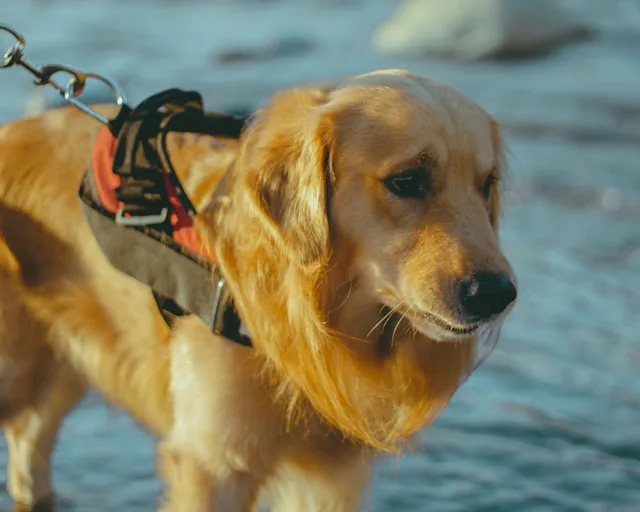
5. Outdoor Dog Safety Tips for Everyday Activities
Outside, the risks shift from household hazards to environmental ones. Traffic, extreme temperatures, and unfamiliar surroundings can all create dangerous situations.
Even a well-trained dog can react unpredictably outdoors. Leashes and proper identification are essential.
Key points:
- Always use a leash in open areas
- Avoid hot pavement during summer
- Keep fresh water available
- Check for ticks after outdoor time
Practical tip:
Place your hand on the pavement—if it’s too hot for you, it’s too hot for your dog’s paws.
6. Dog Safety in Extreme Weather Conditions (USA Focus)
Weather plays a big role in dog health. Summers in many parts of the US can lead to heatstroke, while winters bring risks like frostbite and hypothermia.
Dogs rely on you to manage these conditions. They won’t always show early signs of distress.
Key points:
- Never leave your dog in a parked car
- Provide shade and hydration in hot weather
- Use protective gear in cold conditions
- Limit outdoor time during extreme temperatures
Practical tip:
Watch for subtle signs like excessive panting or shivering—they often appear before serious issues.
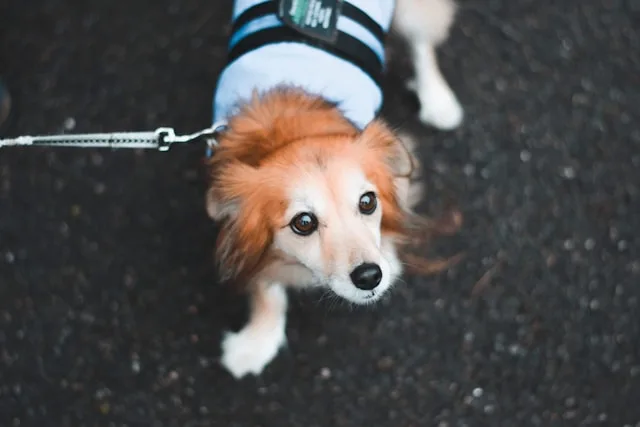
7. Dog Walking Safety Tips for Owners
Daily walks are important, but they also come with risks—especially in busy neighborhoods or low-light conditions. Staying alert makes a big difference.
Using the right gear and choosing safe routes helps prevent accidents.
Key points:
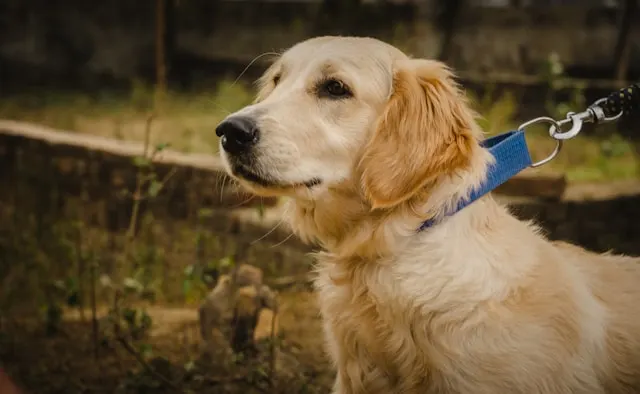
- Use a sturdy leash and well-fitted collar
- Walk in well-lit areas at night
- Avoid distractions like phones
- Train basic commands like “stop” and “stay”
Practical tip:
Add reflective gear for night walks so drivers can see you and your dog easily.
8. Be Ready: Pet Emergency Preparedness for Dogs
Emergencies don’t give warnings. Being prepared can reduce panic and improve outcomes if something goes wrong.
A basic plan and a few supplies can make a huge difference during unexpected situations.
Key points:
- Keep a dog first aid kit at home
- Know the nearest emergency vet location
- Have updated ID tags or GPS trackers
- Store important medical records in one place
Practical tip:
Keep a small emergency kit in your car if you travel often with your dog—it’s easy to forget until you need it.
Dog Safety at Home: What Works vs What Gets Ignored
Not all safety habits are treated equally. Some get daily attention, while others are often overlooked until something goes wrong. Knowing the difference helps you focus on what truly protects your dog.
Commonly Followed vs Often Ignored
| Common Habits (Most Owners Do) | Overlooked Risks (Cause Real Problems) |
| Feeding the right dog food | Leaving toxic foods within reach |
| Daily walks | Checking pavement temperature |
| Basic grooming | Securing wires and small objects |
| Using a leash outdoors | Updating ID tags or GPS tracking |
| Regular vet visits | Emergency preparedness planning |
Practical insight:
Most accidents happen because of small oversights, not big mistakes. Fixing the “ignored” column makes a noticeable difference in dog safety.
Dog Safety Checklist for Beginners
A simple checklist keeps things clear and manageable, especially for first-time pet parents. You don’t need to do everything at once is just stay consistent.
Daily Safety Checks:
- Remove small or sharp objects from floors
- Provide clean water and safe food only
- Watch for unusual behavior or signs of illness
Weekly Safety Checks:
- Inspect toys for damage or choking risks
- Clean food and water bowls properly
- Check fences, gates, or indoor barriers
Monthly Safety Checks:
- Review ID tags and contact details
- Restock your dog first aid kit
- Look for hidden hazards around the house
Practical tip:
Save this as a quick dog safety checklist on your phone so you can review it anytime.
Step-by-Step: How to Keep Your Dog Safe at Home
Keeping your dog safe doesn’t require complicated systems. A step-by-step approach makes it easier to build lasting habits.
Step 1: Scan Your Home for Risks
Walk through each room and look for hazards like exposed wires, chemicals, or loose items. Focus on areas your dog spends the most time in.
Step 2: Remove or Secure Dangerous Items
Store cleaning products, medications, and toxic foods in closed cabinets. Use pet safety gates if needed.
Step 3: Set Up Safe Zones
Create a comfortable space where your dog can rest without disturbance. This helps reduce stress and unwanted behavior.
Step 4: Establish Daily Routines
Regular feeding, walks, and playtime reduce anxiety and lower the chance of accidents.
Step 5: Prepare for Emergencies
Keep a dog first aid kit ready and know your nearest vet. Quick action matters during unexpected situations.
Step 6: Keep Learning and Adjusting
As your dog grows, their behavior changes. Update your safety setup to match their needs.
Practical tip:
Start small & fix one risk today instead of trying to handle everything at once. Consistency matters more than speed.
Common Dog Safety Mistakes Owners Should Avoid
Even careful owners slip into habits that can put their dogs at risk. Most issues don’t come from lack of care. They come from small things that feel harmless in the moment.
One common mistake is leaving everyday items within reach. Dogs explore with their mouths, so things like socks, wrappers, or small toys can quickly become choking hazards. Another frequent issue is feeding table scraps without checking if the food is safe. Many human foods fall under toxic foods for dogs and can cause serious health problems.
Supervision is another area people underestimate. A dog left alone too long, especially in a new environment, is more likely to chew wires, get into trash, or ingest something harmful. It only takes a few minutes for an accident to happen.
Common mistakes to watch for:
- Leaving food unattended on counters or tables
- Ignoring small objects on the floor
- Skipping ID tags or updated contact info
- Using damaged leashes or collars
- Letting dogs roam freely in unsafe outdoor areas
Practical tip:
If something looks harmless but isn’t meant for your dog, assume it’s a risk and move it out of reach.
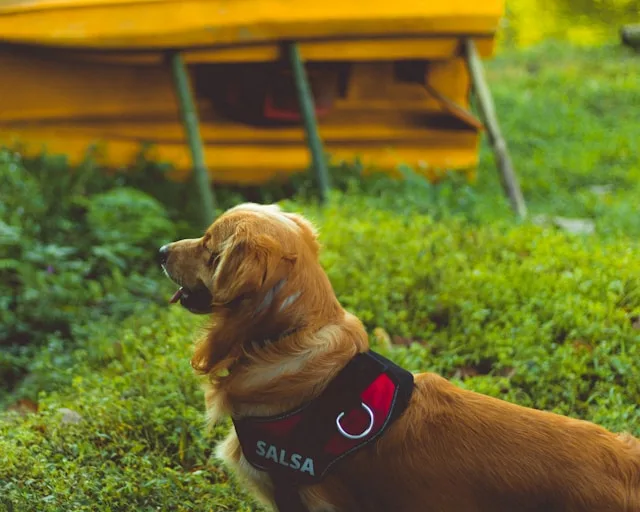
Important Safety Warnings Every Dog Owner Should Know
Some risks are easy to miss because they don’t seem dangerous at first. These are the situations where quick awareness can prevent serious trouble.
Heat is a major concern, especially in warmer parts of the US. Dogs can develop heatstroke faster than most people expect. Hot cars, warm sidewalks, and poor ventilation can all become dangerous within minutes. On the other end, cold weather can lead to discomfort or even injury if your dog isn’t protected properly.
Another key point is exposure to household chemicals. Cleaning products, pesticides, and even certain air fresheners can be harmful if inhaled or ingested. Dogs don’t always avoid these on their own, so storage matters.
Travel and outdoor activities also come with risks. Loose dogs in cars, unfamiliar environments, or crowded areas increase the chance of injury or getting lost.
Safety warnings to keep in mind:
- Never leave your dog in a parked car
- Keep chemicals and medications locked away
- Avoid walking on extremely hot or icy surfaces
- Use proper restraints during car travel
- Watch for sudden behavior changes & they often signal a problem
Practical tip:
When something feels off—like unusual quietness, restlessness, or lack of appetite, don’t wait. Early action can prevent bigger issues.
Practical Dog Safety Tips You Can Use Every Day
Most safety advice sounds good on paper, but what really matters is what you can stick to daily. Simple habits tend to work better than complicated routines.
Start by building awareness into your day. When you walk into a room, take a quick look around—loose items on the floor, open cabinets, or anything your dog might grab. It takes a few seconds but helps prevent common household accidents.
Feeding time is another area where small changes matter. Stick to a consistent diet and avoid sharing random human foods. Many owners don’t realize how quickly something harmless for humans can turn into a health risk for dogs.
Real-world tips that make a difference:
- Keep a dedicated spot for your dog’s essentials (leash, treats, waste bags)
- Use covered storage bins instead of open baskets
- Wipe your dog’s paws after walks to remove chemicals or dirt
- Keep doors and gates closed, even if your dog is trained
Practical tip:
Link safety habits to routines you already follow—like checking the floor before bedtime or securing the kitchen after meals.
Smart Safety Habits Experienced Dog Owners Follow
People who’ve owned dogs for years tend to rely on patterns that reduce risk without adding stress. These habits come from experience, not guesswork.
One key approach is thinking ahead. Before bringing your dog into a new space—whether it’s a friend’s house or a park, take a moment to scan for risks. Unfamiliar environments are where most accidents happen.
Another overlooked habit is observing behavior changes. Dogs often show subtle signs before something goes wrong. Restlessness, sudden chewing, or unusual silence can point to stress or hidden danger.
Actionable insights from real experience:
- Keep a backup leash or collar in your car
- Use night lights in areas your dog walks through
- Avoid sudden changes in routine that can cause anxiety
- Double-check locks, gates, and balcony access points
Practical tip:
Don’t rely only on training. Even well-trained dogs can act unpredictably in new or stressful situations.
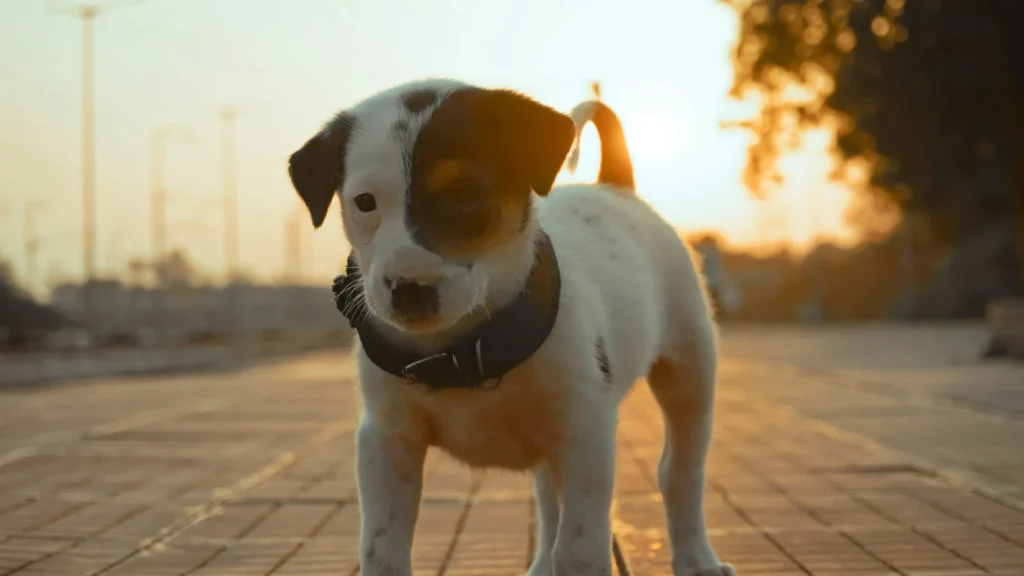
Small Changes That Dog Safety tips for owners Instantly
You don’t need a full setup overhaul to improve your dog’s safety. A few quick adjustments can reduce risks right away.
Start with visibility. Make sure you can always locate your dog easily, especially at night or in larger homes. Simple additions like reflective collars or keeping lights on in key areas help more than people expect.
Next, focus on accessibility. If your dog can reach it, assume they will eventually interact with it. Moving items just a few feet higher or storing them properly can prevent accidents.
Quick wins you can apply today:
- Move toxic products to higher shelves
- Replace worn-out leashes or harnesses
- Add ID tags if missing or outdated
- Keep a basic dog first aid kit within reach
Practical tip:
Pick one small safety upgrade each week. Over time, these changes build a much safer environment without feeling overwhelming.
Conclusion
Keeping your dog safe doesn’t require complicated rules—it comes down to awareness and consistent habits. From removing everyday hazards to preparing for emergencies, these dog safety tips for owners help create a secure environment where your pet can relax and thrive.
The key takeaway is simple: small actions prevent big problems. Whether it’s checking your home for risks, avoiding toxic foods, or staying alert during walks, each step adds an extra layer of protection. Over time, these habits become second nature.
If you haven’t started yet, begin with one or two changes today. Build from there, and you’ll create a safer, more comfortable space for your dog without feeling overwhelmed.
Frequently Asked Questions About Dog Safety
1. How can I keep my dog safe at home every day?
Start with simple habits. Keep harmful items out of reach, secure trash bins, and check floors for small objects. Regular supervision and a consistent routine go a long way in preventing accidents.
2. What are the most common household dangers for dogs?
Toxic foods, cleaning chemicals, electrical cords, and small objects are the biggest risks. Many accidents happen when dogs are left alone with easy access to these items.
3. How do I dog-proof my house effectively?
Focus on key areas like the kitchen and living room. Lock cabinets, hide wires, and remove anything your dog could chew or swallow. Pet safety gates can help block unsafe spaces.
4. What should I do in a dog emergency?
Stay calm and act quickly. Contact your vet immediately and use a basic dog first aid kit if needed. Having emergency numbers saved can save valuable time.
5. How can I protect my dog during extreme weather?
Limit outdoor time in very hot or cold conditions. Provide shade, fresh water, and proper shelter. Never leave your dog in a parked car, even for a short time.
6. Are dog safety tips different for puppies or new owners?
Yes, puppies need closer supervision because they explore more and chew everything. New owners should focus on basic dog safety tips for owners, including training, safe spaces, and removing hazards early.
One thought on “10 Dog Safety Tips for Owners to Keep Pets Safe at Home”