




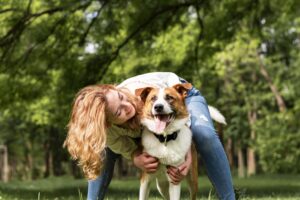


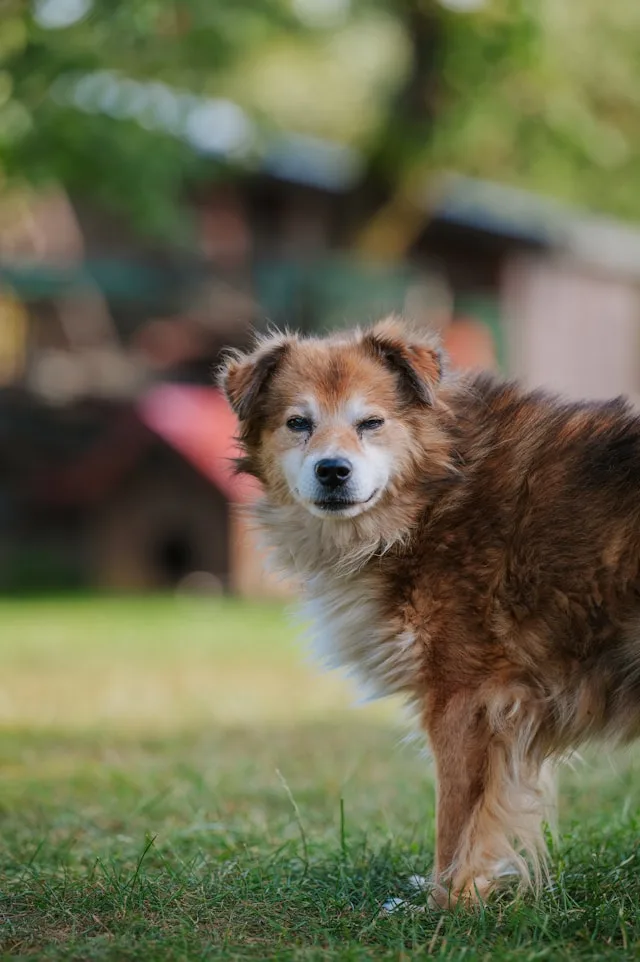
Watching your dog grow older can feel both rewarding and a little overwhelming. Things that once seemed simple & like daily walks or mealtime start to change. Slower movement, lower energy, and new health concerns often catch owners off guard. That’s where practical senior dog care tips become essential, not just for comfort but for your dog’s long-term well-being.
Many pet owners aren’t fully prepared for the shift from adult dog care to senior pet care. Aging brings different needs, from diet changes to mobility support and regular health monitoring. You might notice signs of aging in dogs like stiffness, changes in sleep patterns, or less interest in play. These changes are normal, but they still require attention. Without proper aging dog care, small issues can turn into bigger health problems over time.
In the US, more families are focusing on improving dog wellness and extending the lifespan of their pets. That means adjusting routines, choosing the right food for senior dogs, and creating a safe, comfortable home environment. Whether you’re dealing with arthritis, dental issues, or just general old dog care, the approach needs to be thoughtful and consistent.
Here, you’ll find clear, practical ways to care for senior dogs at home. From building a daily routine to managing common health problems in senior dogs, everything is focused on real-life situations. You’ll also learn how to improve mobility, support emotional health, and make simple changes that help your dog stay active and comfortable as they age.
Senior dog care tips focus on adjusting daily routines, diet, and comfort as your dog ages. Provide soft bedding, balanced nutrition, regular vet checkups, and gentle exercise. Watch for signs of aging like stiffness or low energy. With proper senior dog care tips, you can improve mobility, reduce health risks, and keep your dog healthy, active, and comfortable.
Table of Contents
1. Senior Dog Care Tips for a Healthy Daily Routine
As dogs age, routine becomes more important than ever. A consistent schedule helps reduce stress and supports overall dog wellness. Feeding, walking, and rest times should stay predictable so your dog knows what to expect each day.
Older dogs don’t handle sudden changes very well. Even small disruptions can affect their appetite or sleep. Building a calm, structured day is one of the most effective ways to support aging dog care without making things complicated.
A steady routine also helps you notice changes faster. If your dog suddenly skips a meal or seems less active, it’s easier to spot when everything else is consistent.
Practical tip:
Stick to fixed feeding and walking times. Even a 30-minute variation can affect some senior dogs, especially those dealing with anxiety or health issues.
2. Diet Plan for Senior Dogs in the USA
Nutrition plays a major role in senior dog health care. As metabolism slows down, older dogs need fewer calories but higher-quality nutrients. Protein, fiber, and joint-supporting ingredients become more important at this stage.
Many owners continue feeding the same food they used when their dog was younger. That often leads to weight gain or digestive issues. Switching to the best food for senior dogs helps maintain energy levels and supports long-term health.
Hydration is just as important. Senior dogs may drink less water, which can affect kidney function and overall health.
Practical tip:
Gradually transition to senior-specific dog food over 7–10 days to avoid stomach upset and help your dog adjust comfortably.
3. Managing Mobility and Joint Health in Aging Dogs
One of the most common challenges in old dog care is reduced mobility. Stiff joints, slower movement, and difficulty standing up are often linked to arthritis in senior dogs.
Supporting joint health early can make a big difference. Soft surfaces, light exercise, and the right supplements help reduce discomfort and keep your dog moving.
Mobility isn’t just about physical health—it also affects confidence. Dogs that struggle to move may become less active or even withdrawn.
Practical tip:
Place non-slip rugs on smooth floors. This small change helps prevent slipping and makes movement easier for senior dogs.
4. Grooming and Hygiene for Senior Dogs at Home
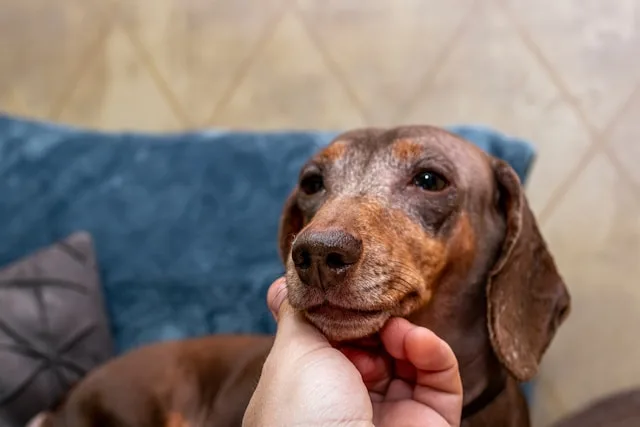
Grooming becomes more than just appearance as dogs age. It’s an important part of elderly dog care that helps prevent infections, skin issues, and discomfort.
Older dogs may not groom themselves as effectively. Their skin can become more sensitive, and their coat may change in texture. Regular brushing helps improve circulation and keeps the coat healthy.
Bathing should be gentle and less frequent, using products suited for sensitive skin. Nail trimming is also essential, as overgrown nails can affect posture and movement.
Practical tip:
Use a soft-bristle brush and keep grooming sessions short. This keeps your dog comfortable and reduces stress during the process.
5. Dental Care for Senior Dogs and Overall Health
Dental care is often overlooked, but it plays a huge role in dog health care. Poor oral hygiene can lead to infections that affect the heart, kidneys, and other organs.
Bad breath, difficulty eating, or drooling are common signs of dental problems in senior dogs. Addressing these early helps avoid more serious issues.
Regular cleaning doesn’t have to be complicated. Even simple habits can improve your dog’s oral health over time.
Practical tip:
Start with dental chews if brushing feels difficult. They help reduce plaque while making the process easier for both you and your dog.
6. Emotional Care and Reducing Stress in Senior Dogs
Senior dogs often become more sensitive to their environment. Loud noises, changes in routine, or being left alone for long periods can increase stress.
Emotional care is just as important as physical care. Spending quality time, maintaining familiar surroundings, and offering reassurance can improve your dog’s mood and behavior.
Some dogs may also experience cognitive changes as they age, which can affect memory and reactions.
Practical tip:
Create a quiet resting area where your dog can relax without disturbance. A calm space helps reduce anxiety and supports better sleep.
7. Creating a Safe Home for Senior Dogs
Home safety becomes more important as dogs lose balance and strength. Simple adjustments can prevent injuries and make daily movement easier.
Stairs, slippery floors, and high furniture can become challenging. Making your home senior-friendly doesn’t require major changes—just a few smart upgrades.
Safety also includes accessibility. Your dog should be able to reach food, water, and resting areas without difficulty.
Practical tip:
Use ramps instead of stairs where possible. This reduces strain on joints and helps prevent falls.
8. Regular Vet Visits and Health Monitoring in the USA
Routine vet visits are a key part of senior pet care. Health issues in older dogs can develop quickly, so regular checkups help catch problems early.
Most vets recommend more frequent visits for senior dogs compared to younger ones. Blood tests, dental checks, and overall exams become more important with age.
Monitoring your dog at home also matters. Changes in appetite, behavior, or energy levels can signal underlying issues.
Practical tip:
Keep a simple health log at home. Tracking weight, eating habits, and activity levels helps you notice changes before they become serious problems.
Senior Dog Care Comparison: What Helps vs What Causes Problems
Caring for an older dog often comes down to small daily choices. Some habits support healthy aging, while others often done without realizing & can make things harder for your dog over time.
| Helpful Habits (Support Healthy Aging) | Risky Habits (Can Cause Problems) |
| Feeding balanced senior dog food | Continuing high-calorie adult food |
| Gentle, regular exercise | Overexertion or no activity at all |
| Soft, supportive bedding | Hard or worn-out sleeping areas |
| Regular vet checkups | Skipping health monitoring |
| Safe, clutter-free home setup | Slippery floors and obstacles |
Insight:
Good senior dog care isn’t about doing more—it’s about doing the right things consistently.
Senior Dog Care Checklist for Owners
A simple checklist makes elderly dog care easier to manage, especially when routines start to change. It helps you stay on track without feeling overwhelmed.
Daily care essentials:
- Provide fresh water and balanced meals
- Observe movement, appetite, and behavior
- Offer light exercise or short walks
- Keep resting areas clean and comfortable
Weekly care habits:
- Brush coat and check skin condition
- Inspect nails, ears, and teeth
- Clean bedding and feeding areas
- Monitor weight changes
Monthly care focus:
- Review diet plan for senior dogs
- Check mobility and joint comfort
- Refill supplements if needed
- Schedule or plan vet visits
Practical tip:
Keep this checklist somewhere visible, like your phone or fridge, so you can follow it without overthinking.
Step-by-Step: How to Care for Senior Dogs at Home
Taking care of an aging dog becomes easier when you break it into simple steps. You don’t need a complicated system—just a consistent approach.
Step 1: Adjust Daily Routine
Set fixed times for meals, walks, and rest. A predictable schedule supports dog wellness and reduces stress.
Step 2: Improve Diet and Nutrition
Switch to food suited for senior dog health care. Focus on balanced nutrients and easy digestion.
Step 3: Support Mobility
Add soft bedding, use rugs for grip, and consider joint support if needed. This helps improve mobility in senior dogs.
Step 4: Create a Safe Environment
Remove obstacles, secure floors, and make essentials easy to reach. Home safety is a key part of aging dog care.
Step 5: Monitor Health Regularly
Watch for signs of aging in dogs like stiffness, weight changes, or low energy. Early attention prevents bigger issues.
Step 6: Provide Emotional Comfort
Spend more time with your dog. Emotional care helps reduce stress and keeps them engaged.
Practical tip:
Start with one change at a time. Small, consistent improvements are more effective than trying to fix everything at once.
Common Mistakes in Senior Dog Care You Should Avoid
Caring for an older dog often feels familiar, so many owners continue the same habits they used for years. That’s where problems start. Aging changes your dog’s needs, and ignoring those changes can affect their comfort and health.
One common mistake is sticking to the same diet. Senior dogs don’t process food the same way, and continuing high-calorie meals can lead to weight gain or digestive issues. Another issue is reducing activity too much. While older dogs slow down, they still need regular movement to maintain mobility and prevent stiffness.
Many people also overlook early signs of aging in dogs. Subtle changes like hesitation while walking, sleeping more, or less interest in play often get dismissed as “normal,” but they can signal underlying health concerns.
Common mistakes to watch for:
- Feeding adult dog food instead of a senior-friendly diet
- Skipping regular vet visits or delaying checkups
- Ignoring small behavior or mobility changes
- Letting nails grow too long, affecting movement
- Providing hard or uncomfortable sleeping areas
Practical tip:
Pay attention to small daily changes. They usually appear before bigger health problems develop.
Safety Warnings Every Senior Dog Owner Should Know
Older dogs are more vulnerable to injuries and stress, so safety needs extra attention. What once felt safe at home may now become a risk.
Slippery floors are a major concern. Senior dogs with weak joints or arthritis can easily lose balance and fall. Stairs, high furniture, and cluttered spaces also increase the chance of injury. Making small home adjustments can prevent serious accidents.
Another important point is temperature sensitivity. Senior dogs struggle more with extreme weather. Cold conditions can worsen joint pain, while heat can lead to exhaustion or dehydration faster than expected.
Health-related risks also increase with age. Delaying care for dental issues, mobility problems, or appetite changes can lead to more serious complications.
Safety and warning points:
- Avoid slippery surfaces without proper grip support
- Don’t ignore sudden weight loss or loss of appetite
- Be cautious with extreme heat or cold weather conditions
- Keep medications and harmful items out of reach
- Ensure easy access to food, water, and resting areas
Practical tip:
Walk through your home as if your dog has limited mobility. This helps you spot risks you might otherwise miss and improve overall home safety.
Practical Senior Dog Care Tips That Actually Work
Caring for an aging dog becomes easier when you focus on what truly helps in daily life. These senior dog care tips are based on real situations owners deal with, not just general advice.
Start by adjusting your dog’s pace instead of pushing old routines. Shorter, more frequent walks often work better than one long walk. This supports a healthy senior dog exercise routine at home while reducing strain on joints. It also helps maintain energy without causing fatigue.
Another useful habit is creating easy access to essentials. Food bowls, water, and sleeping areas should be within reach. This small change improves comfort and supports how to keep senior dogs comfortable at home, especially for dogs with mobility issues.
Pay close attention to sleep patterns. Many owners notice senior dog sleep problems but don’t connect them to discomfort or anxiety. A quiet space and a supportive bed can improve rest and overall mood.
Practical tip:
Use an orthopedic bed placed in a warm, quiet corner. It helps reduce pressure on joints and improves sleep quality for senior dogs.
Expert Insights for Better Senior Dog Health Care
Experienced owners often focus on consistency over complexity. Small, steady habits tend to deliver better results than sudden big changes in senior dog health care tips USA.
One key insight is managing joint health early. Even before severe stiffness appears, adding light support like gentle exercise and proper nutrition can slow down mobility issues. This plays a big role in how to improve mobility in senior dogs and maintain independence longer.
Another important area is emotional care. Aging dogs can become more sensitive and may need extra reassurance. Spending time together, keeping routines stable, and reducing loud or stressful environments supports emotional care for senior dogs at home.
Dental health is also often underestimated. Regular checks and simple cleaning routines can prevent infections and improve appetite, which directly impacts overall dog health care.
Practical tip:
Schedule routine vet visits every 6 months instead of once a year. Early detection makes managing common health problems in senior dogs much easier.
Simple Changes That Improve Senior Dog Wellness Fast
You don’t need major changes to see improvement in your dog’s comfort. A few targeted adjustments can make a noticeable difference in daily life.
Start with your home setup. Adding rugs or non-slip mats can prevent falls, especially for dogs dealing with arthritis. This directly supports home safety tips for senior dogs USA and reduces injury risk.
Nutrition is another area where small changes matter. Switching to the best food for senior dogs USA or adding supplements can improve energy levels and joint health. Products like best joint supplements for aging dogs USA are often recommended when mobility starts to decline.
Daily interaction also plays a role. Even simple activities like light play or short walks help reduce stress and support how to reduce stress in senior dogs.
Practical tip:
Track your dog’s behavior weekly energy levels, appetite, and movement. This helps you catch changes early and adjust your care routine before problems grow.
Conclusion
Caring for an older dog comes down to consistency, patience, and attention to small changes. These senior dog care tips help you adjust daily routines, improve comfort, and support long-term dog health care without making things complicated. From better nutrition to safer home setups, every step plays a role in healthy aging.
The key takeaway is simple: focus on what your dog needs now, not what worked years ago. A thoughtful approach to aging dog care including proper diet, gentle exercise, and regular checkups can help reduce common health problems in senior dogs and keep them active longer.
Start with a few changes today, whether it’s improving their sleep area, adjusting their routine, or reviewing their diet plan for senior dogs. Small efforts make a real difference in keeping your dog comfortable, happy, and well cared for every day.
Frequently Asked Questions About Senior Dog Care
1. How do I care for a senior dog at home?
Focus on simple senior dog care tips like a consistent routine, balanced diet, soft bedding, and regular health checks. Keep your home safe and make sure your dog can move around comfortably without strain.
2. What is the best routine for senior dogs daily care?
A good routine includes fixed feeding times, short walks, rest periods, and light interaction. This helps maintain dog wellness and reduces stress in aging dogs.
3. What should I feed my senior dog in the USA?
Choose the best food for senior dogs USA that supports joint health, digestion, and weight control. A proper diet plan for senior dogs helps maintain energy and overall dog health care.
4. How can I improve mobility in senior dogs?
Use non-slip mats, provide soft bedding, and follow a gentle senior dog exercise routine at home. Joint support and proper weight management also help improve mobility in senior dogs.
5. How often should senior dogs visit the vet in the USA?
Most experts recommend vet visits every 6 months for senior dog health care. Regular checkups help detect common health problems in senior dogs early.
6. What are common signs of aging in dogs?
Slower movement, stiffness, changes in sleep, and reduced activity are common signs of aging in dogs. Paying attention to these signs helps you adjust your elderly dog care routine effectively.