









Bringing a new puppy home sounds exciting, but the first few days can feel overwhelming. Between sleepless nights, constant supervision, and unexpected messes, many new owners quickly realize how much responsibility is involved. That’s why understanding Puppy Care First 30 Days is so important. Without a clear plan, it’s easy to fall into common mistakes like inconsistent routines, poor feeding habits, or confusion around puppy training.
The first month sets the foundation for everything that follows. This is when your puppy starts learning basic behavior, builds trust with you, and adjusts to a completely new environment. From the first week with your puppy to creating a daily routine for puppy first 30 days, every small action matters. Things like a proper puppy feeding schedule, sleep routine, and early potty training shape how your dog behaves long-term.
Many first-time owners in the USA struggle with questions like how to take care of a puppy in the first 30 days, how to stop puppy biting early, or how to manage puppy crying the first night. These are normal challenges, but they require the right approach. A structured puppy care routine, safe home setup, and consistent training can make the transition much smoother.
Here, you’ll learn practical steps to handle your puppy’s first month with confidence. From training basics and feeding schedules to bonding and creating a safe environment, everything is focused on real-life situations. You’ll also understand how to avoid beginner mistakes and build a routine that works, whether you live in a house or a small apartment.
Puppy Care First 30 Days focuses on building a routine, proper feeding, basic puppy training, and a safe home setup. Start with a consistent puppy feeding schedule, early potty training, and gentle socialization. Keep your puppy comfortable with a sleep routine and regular care. These steps help your puppy adjust quickly and develop healthy habits.

Table of Contents
1. Puppy Care First 30 Days: Building a Daily Routine
The first thing your puppy needs is structure. A consistent puppy routine helps them feel secure and reduces confusion. Feeding, playtime, potty breaks, and sleep should follow a predictable pattern every day. This is especially helpful during the first week with a puppy when everything feels new and overwhelming.
Without a routine, puppies can become restless or anxious. They don’t yet understand what’s expected, so consistency becomes your biggest tool. A clear daily routine for puppy first 30 days also makes puppy training easier because your dog starts associating certain times with specific activities.
Practical tip:
Set alarms for feeding, potty breaks, and sleep during the first week. This keeps your schedule consistent until it becomes a natural habit.
2. Puppy Feeding Schedule First Month USA
Feeding plays a huge role in puppy health and growth. In the first month, puppies usually need to eat multiple small meals throughout the day. This supports energy levels and helps with digestion. Choosing the best puppy food brands USA first month can also prevent stomach issues.
Many new owners either overfeed or underfeed because they’re unsure about portions. A proper puppy feeding schedule first month USA helps maintain balance and avoids sudden hunger or overeating. Clean water should always be available.
Practical tip:
Feed your puppy at the same times every day. This not only supports digestion but also helps with potty training since puppies often need to go right after eating.
3. How to Potty Train Puppy First 30 Days
Potty training is one of the biggest challenges in new puppy care, but starting early makes a huge difference. Puppies don’t have full control yet, so frequent breaks are necessary especially after meals, naps, and playtime.
Consistency is key here. Taking your puppy to the same spot each time helps them learn faster. Accidents will happen, and that’s normal. What matters is how you respond and stay consistent with your approach.
Practical tip:
Take your puppy outside every 2–3 hours and immediately after eating. Praise them right after they go to reinforce good behavior.

4. Puppy Sleep Schedule First Month USA
Sleep is often overlooked, but it’s essential for puppy care. Puppies sleep a lot sometimes up to 18–20 hours a day. A proper puppy sleep schedule first month USA helps with growth, behavior, and overall health.
Many puppies struggle at night, especially in the first few days. Crying or restlessness is common because they’re adjusting to a new environment. Creating a calm, comfortable sleeping space can help them settle faster.
Practical tip:
Place your puppy’s bed or crate near your sleeping area during the first week. Your presence helps them feel safe and reduces nighttime anxiety.
5. Puppy Training Basics First 30 Days
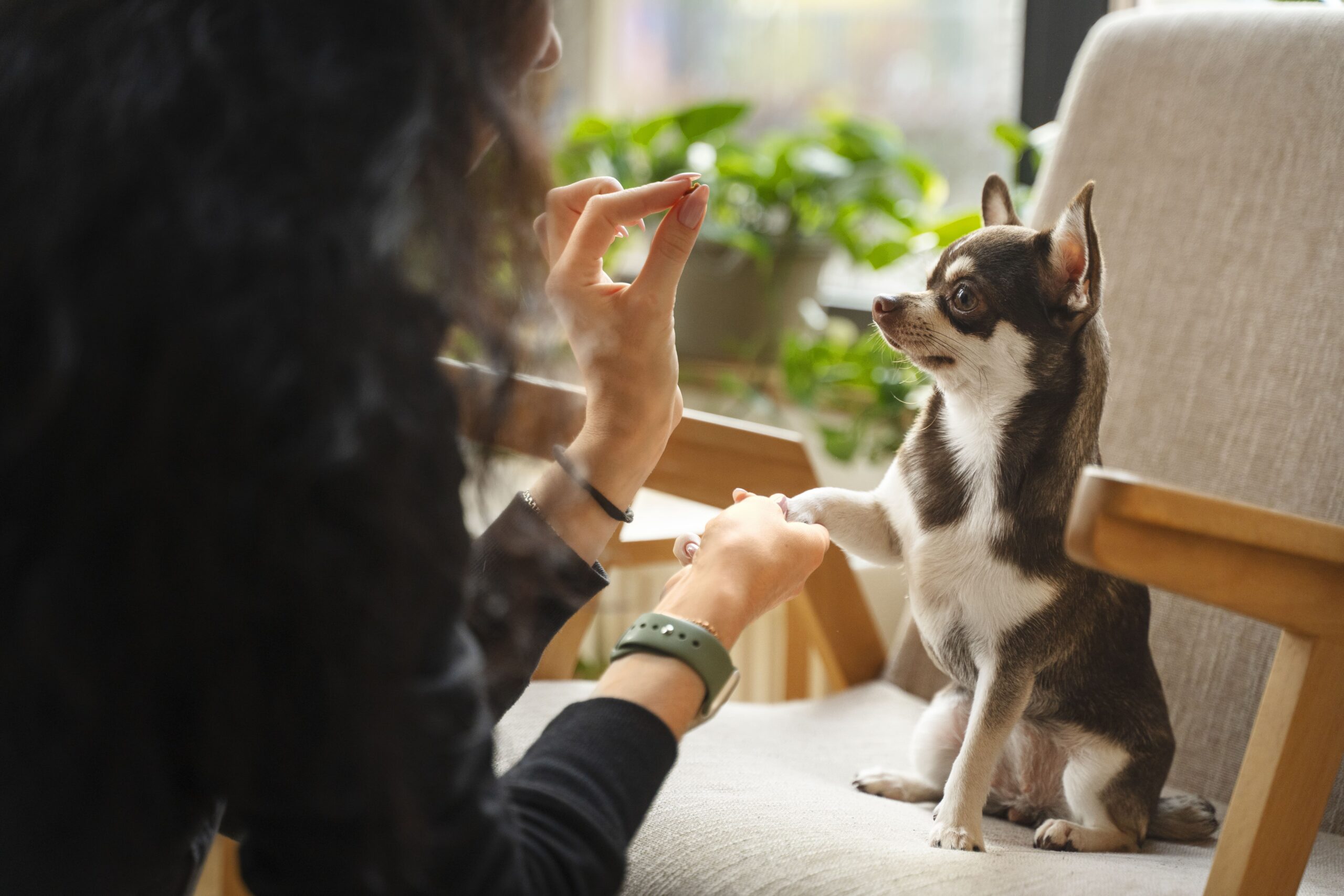
Early dog training doesn’t need to be complicated. The first month is about teaching simple behaviors like responding to their name, basic commands, and understanding boundaries.
Short training sessions work best. Puppies have limited attention spans, so keeping things simple helps them learn without frustration. Positive reinforcement like treats or praise builds trust and encourages good behavior.
Practical tip:
Keep training sessions under 10 minutes and repeat them 2–3 times a day. This keeps your puppy engaged without overwhelming them.
6. How to Bond with New Puppy First Month
Bonding is just as important as training. Your puppy needs to feel safe and connected to you. Spending time together through play, gentle handling, and calm interaction builds trust.
This stage shapes your long-term relationship. Puppies that feel secure are easier to train and less likely to develop anxiety. Even simple moments like sitting together can strengthen that bond.
Practical tip:
Use your puppy’s name often in a positive tone. It helps them recognize you as a source of comfort and attention.

7. How to Make Home Safe for New Puppy
A new puppy will explore everything, which makes safety a priority. Creating a safe environment is a big part of puppy care first 30 days. Items like wires, small objects, and toxic foods should be kept out of reach.
This is especially important for owners living in apartments or small spaces. Puppies don’t understand danger, so it’s up to you to remove risks before accidents happen.
Practical tip:
Get down to your puppy’s level and look around. This helps you spot hazards you might miss from your usual viewpoint.
8. Socializing a Puppy First Month USA
Socialization helps your puppy grow into a confident and well-behaved dog. The first month is a great time to gently introduce them to new sounds, people, and environments.
This doesn’t mean overwhelming them. Slow and controlled exposure works best. Positive experiences during this stage reduce fear and improve behavior later.
Practical tip:
Introduce one new experience at a time like a new sound or person and keep it calm. Too much too quickly can make your puppy anxious.
Puppy Care First 30 Days: What Works vs What Causes Problems
The first month with a puppy is full of trial and error. Some habits help your puppy settle quickly, while others can slow down training and create confusion. Knowing the difference makes new puppy care much easier.
| What Works (Builds Good Habits) | What Causes Problems (Slows Progress) |
| Consistent puppy routine | Irregular feeding and sleep times |
| Scheduled potty breaks | Waiting too long between potty trips |
| Positive reinforcement training | Punishing mistakes |
| Safe, puppy-proofed home | Leaving hazards within reach |
| Short, regular training | Long, inconsistent sessions |
Insight:
Simple, consistent habits always outperform complicated routines during the puppy care first 30 days.

New Puppy Checklist First Month USA
Having a checklist keeps things organized, especially during the first week with a puppy when everything feels new. It helps you focus on what actually matters without missing important steps.
Daily care essentials:
- Follow a puppy feeding schedule first month USA
- Take your puppy out for potty breaks regularly
- Maintain a consistent puppy sleep schedule
- Spend time bonding and gentle play
Weekly focus:
- Monitor puppy health and behavior changes
- Adjust your puppy training basics if needed
- Check your home for safety hazards
- Introduce new experiences slowly for socializing
Setup essentials:
- Best puppy training pads USA
- Safe chew toys and feeding bowls
- Comfortable bed or crate
- Basic grooming supplies
Practical tip:
Keep a simple checklist on your phone so you can track routines without feeling overwhelmed.
Step-by-Step: How to Take Care of a Puppy in First 30 Days
Handling the first month becomes easier when you break it into clear steps. You don’t need to do everything at once just focus on building a strong foundation.
Step 1: Prepare Your Home
Before your puppy arrives, remove hazards and create a safe space. This supports how to prepare house for new puppy USA and prevents early accidents.
Step 2: Start a Daily Routine
Set fixed times for feeding, sleep, and potty breaks. A consistent daily routine for puppy first 30 days builds structure.
Step 3: Begin Basic Puppy Training
Teach simple commands and start crate training puppy first 30 days USA. Keep sessions short and positive.
Step 4: Establish Feeding and Sleep Patterns
Follow a puppy feeding schedule and create a calm sleeping area. This helps manage puppy crying first night and improves rest.
Step 5: Focus on Bonding and Socialization
Spend time together and slowly introduce new environments. This supports how to bond with new puppy first month.
Step 6: Monitor Health and Behavior
Watch for changes in appetite, energy, or behavior. Early attention helps maintain good puppy health.
Practical tip:
Don’t rush the process. Consistency over the first 30 days matters more than trying to train everything at once.
Common Mistakes to Avoid in Puppy Care First 30 Days
The first month with a puppy can feel unpredictable, and many mistakes happen simply because everything is new. One of the biggest issues in puppy care first 30 days is inconsistency. Skipping routines or changing schedules too often confuses your puppy and slows down training progress.
Another common mistake is expecting too much too soon. Puppies are still learning basic behavior, so accidents, chewing, and biting are part of the process. Getting frustrated or using punishment can create fear instead of helping with puppy training basics first 30 days.
Feeding mistakes are also frequent. Some owners guess portion sizes or switch food too quickly, which can affect puppy health. A proper puppy feeding schedule first month USA helps avoid digestive issues and keeps energy levels stable.
Mistakes to watch for:
- Changing daily routine too often
- Expecting fast results in training
- Overfeeding or underfeeding
- Ignoring early signs of stress or fear
- Leaving puppy alone too long in the first week
Practical tip:
Focus on consistency, not perfection. Puppies learn through repetition, not strict rules or quick fixes.
Safety Warnings Every New Puppy Owner Should Know
Safety plays a huge role in new puppy care, especially during the first few weeks when your puppy explores everything. What looks harmless to you can be risky for them.
Household items like wires, cleaning products, and small objects can easily become hazards. Puppies chew and investigate constantly, so learning how to make home safe for new puppy is essential. Even simple things like open trash bins or loose items on the floor can lead to accidents.
Another important concern is emotional stress. The first week with a puppy can be overwhelming for them. Loud environments, too many visitors, or sudden changes can increase anxiety and lead to behaviors like whining or hiding.
Health-related risks should also be taken seriously. Skipping early vet visits or ignoring symptoms like lack of appetite or low energy can affect your puppy’s development.
Safety and warning points:
- Keep toxic items and small objects out of reach
- Avoid overwhelming your puppy with too many new experiences
- Monitor eating habits and energy levels daily
- Use safe spaces like crates or play areas when unsupervised
- Be careful with stairs, balconies, and open areas
Practical tip:
Walk through your home as if your puppy will chew or reach everything because they will. This mindset helps you prevent most accidents before they happen.

Practical Puppy Care Tips That Make Daily Life Easier
The first month with a puppy is less about perfection and more about building habits that actually stick. Real progress in puppy care first 30 days comes from small, consistent actions that fit into your day.
Start by simplifying your routine. Instead of trying to follow a strict schedule, anchor key moments like feeding, potty breaks, and sleep around your daily activities. This works especially well for puppy care routine for working owners USA, where time is limited but consistency still matters.
Another helpful approach is managing energy levels. Puppies often act out when they’re either too tired or too stimulated. A balanced mix of short play sessions and rest helps maintain better behavior and supports healthy puppy training.
Actionable insights that work:
- Keep play sessions short but frequent to avoid overstimulation
- Use the same potty spot to build faster habits
- Keep feeding times consistent to support digestion
- Limit access to too many areas early on
Practical tip:
Use a small playpen or defined space during the day. It keeps your puppy safe and makes supervision much easier.
Smart Habits Experienced Owners Follow in the First Month
People who’ve raised puppies before tend to focus on what truly matters. They don’t try to do everything at once. Instead, they prioritize structure, patience, and observation.
One key habit is watching behavior patterns closely. Small signs like restlessness, sudden chewing, or whining often signal a need for food, sleep, or a potty break. Understanding these patterns improves how to calm puppy first week at home and reduces unnecessary stress.
Another important habit is early exposure without overwhelming the puppy. Gradual socializing a puppy first month USA helps build confidence without creating fear. Controlled, calm introductions work far better than crowded or noisy environments.
Actionable insights from real experience:
- Observe your puppy before reacting behavior usually has a reason
- Keep training simple and repeat it daily
- Introduce new experiences slowly, not all at once
- Stay patient during setbacks they’re part of learning
Practical tip:
Pay attention to your puppy’s natural rhythm. Adjust your routine slightly to match their energy levels instead of forcing a fixed schedule.
Small Changes That Improve Puppy Care Instantly
You don’t need major adjustments to see improvement in your puppy’s behavior and comfort. A few small changes can make a noticeable difference right away.
Start with your home setup. Creating a safe, clutter-free space supports how to make home safe for new puppy and prevents accidents. Puppies learn faster when their environment is controlled and predictable.
Next, focus on consistency in communication. Using the same words and tone during training helps your puppy understand commands faster. This strengthens dog training basics and reduces confusion.
Sleep and rest also play a bigger role than many expect. Puppies that don’t get enough rest often become hyper or difficult to manage. A proper puppy sleep schedule first month USA helps maintain balance.
Actionable insights for quick improvement:
- Keep commands short and consistent
- Limit distractions during training sessions
- Provide a quiet area for rest
- Stick to a basic feeding and sleep routine
Practical tip:
Track your puppy’s day for a few days feeding, sleep, play, and potty times. This helps you spot patterns and adjust your routine more effectively.
1. How do I take care of a puppy in the first 30 days?
Focus on a simple routine regular feeding, potty breaks, sleep, and basic puppy training. Keep your home safe, stay consistent, and give your puppy time to adjust.
2. What should I do in the first week with a new puppy?
Keep things calm and structured. Follow a basic puppy routine, start potty training, and help your puppy feel safe. Expect some crying at night it’s part of the adjustment.
3. How often should puppies eat in the first month?
Most puppies need 3-4 small meals a day. A consistent puppy feeding schedule first month USA helps with digestion and makes potty training easier.
4. How do I potty train a puppy in the first 30 days?
Take your puppy outside every few hours, especially after eating and sleeping. Stay consistent and reward good behavior to build strong habits early.
5. How can I stop puppy biting in the early stage?
Redirect biting to safe chew toys and avoid rough play. Consistent correction and positive reinforcement help your puppy learn what’s acceptable.
6. What are common mistakes in new puppy care?
Inconsistent routines, overfeeding, and expecting quick results are common issues. Staying patient and following basic puppy care first 30 days makes the process much smoother.
Conclusion
The first month with a puppy can feel busy, messy, and sometimes exhausting, but it’s also one of the most important stages in your dog’s life. Building good habits early through proper Puppy Care First 30 Days helps create a calmer routine, better behavior, and a stronger bond between you and your puppy.
The biggest takeaway is consistency. A steady puppy routine, proper feeding schedule, early puppy training, and a safe environment all work together to support healthy growth and long-term behavior. Small daily actions matter more than trying to do everything perfectly.
Take things one step at a time, stay patient during setbacks, and focus on creating a positive experience for your puppy. Those first 30 days go by quickly, but the habits you build now can shape your dog’s future for years.